
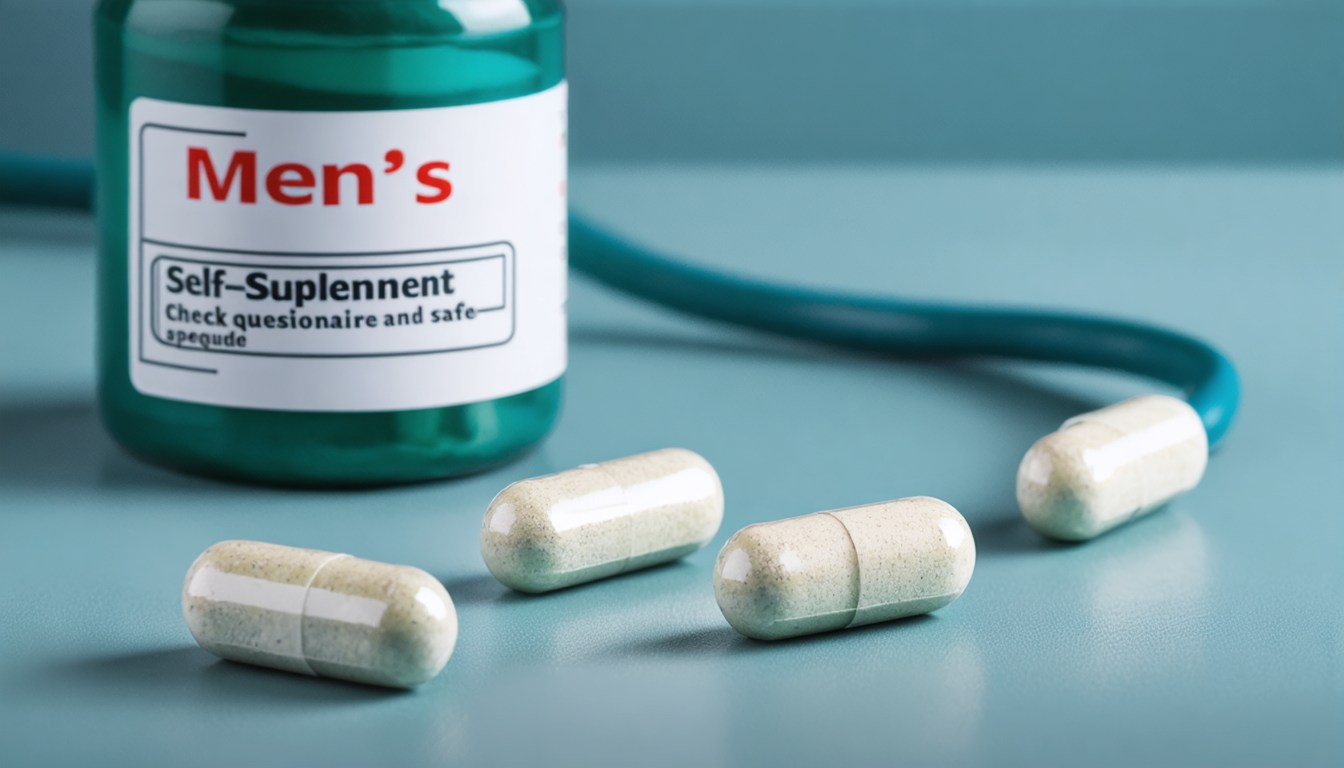
Men’s sexual health supplements
Disclaimer: This self-check questionnaire is for educational purposes only. It does not diagnose any condition and does not replace professional medical advice. If you have concerns about erectile function, libido, hormone levels, or overall sexual wellness, consult a qualified healthcare professional.
Men’s sexual health supplements are widely marketed for libido support, testosterone balance, stamina, and erectile performance. Before starting any product, it’s important to assess your symptoms, risk factors, and expectations. Use the checklist below to reflect on your current situation.
Questionnaire
Over the past 3–12 months, have you experienced any of the following?
- Reduced sexual desire (low libido) compared to your usual baseline?
- Difficulty achieving or maintaining an erection sufficient for sexual activity?
- Decreased morning erections?
- Reduced sexual stamina or early fatigue during intercourse?
- Changes in mood, irritability, or low motivation accompanying sexual symptoms?
- Symptoms lasting longer than 3 months?
- Recent increase in stress, anxiety, or sleep disturbances?
- Weight gain, especially abdominal fat, or reduced muscle mass?
- Chronic conditions such as diabetes, high blood pressure, or cardiovascular disease?
- Use of medications that may affect sexual function (e.g., antidepressants, antihypertensives)?
- Smoking, excessive alcohol consumption, or recreational drug use?
- Limited physical activity or sedentary lifestyle?
- Relationship difficulties contributing to sexual concerns?
- Previous low testosterone diagnosis or hormonal imbalance?
- Use of over-the-counter male enhancement supplements without medical supervision?
- Side effects after taking herbal or testosterone-boosting products (e.g., palpitations, headaches, digestive issues)?
You may also wish to explore related general wellness topics in our Uncategorized health resources section for broader context.
How to interpret answers
Low reason to seek help
You answered “yes” to 1–3 questions, symptoms are mild, situational, or recent (less than 3 months), and you have no major health conditions. In this case, lifestyle adjustments, stress management, and careful review of supplement ingredients may be reasonable first steps. Monitor changes before considering new products.
Medium reason to seek help
You answered “yes” to 4–7 questions, symptoms persist beyond 3 months, or you have manageable chronic conditions. A medical consultation is advisable before starting sexual performance supplements, especially testosterone boosters or herbal blends that may interact with medications.
High reason to seek help
You answered “yes” to 8 or more questions, experience significant erectile dysfunction, have cardiovascular disease, diabetes, or notable hormonal symptoms. Seek professional evaluation promptly. Supplements alone are unlikely to address underlying causes and may delay proper treatment.
For more educational content, browse our general medical articles to better understand risk factors and prevention strategies.
Next steps: what to do
- Track symptoms: Record frequency, severity, and duration of sexual concerns for at least 4 weeks.
- List current supplements and medications: Include dosages and timing.
- Review lifestyle factors: Sleep (7–9 hours), physical activity, diet quality, alcohol intake, and stress levels.
- Schedule the right specialist: Start with a primary care physician. You may be referred to a urologist or endocrinologist.
- Ask targeted questions:
- Could my symptoms be hormone-related?
- Do I need testosterone or metabolic testing?
- Are sexual health supplements safe with my medications?
- What evidence supports specific ingredients?
- Request appropriate testing: Blood glucose, lipid profile, total testosterone (morning sample), thyroid function, and blood pressure evaluation if indicated.
- Evaluate supplement quality: Choose products tested by third-party organizations (USP, NSF) and avoid proprietary blends with undisclosed dosages.
You can also review additional perspectives in our Uncategorized wellness insights collection.
Situation → urgency → action
| Situation | Urgency | Action |
|---|---|---|
| Mild, occasional performance concerns linked to stress | Low | Improve sleep, reduce stress, reassess in 1–2 months |
| Persistent low libido without other symptoms | Medium | Consult primary care for hormone and metabolic screening |
| Erectile dysfunction with diabetes or hypertension | High | Seek medical evaluation before using supplements |
| Considering testosterone booster without testing | Medium | Obtain lab tests before supplementation |
| Chest pain or shortness of breath during sexual activity | Urgent | Seek immediate medical care |
FAQ
1. Do men’s sexual health supplements really work?
Some ingredients (e.g., L-arginine, Panax ginseng) show modest evidence for supporting erectile function in specific populations. Effects vary, and supplements are not substitutes for medical treatment.
2. Are testosterone boosters safe?
Over-the-counter testosterone boosters are not regulated like prescription therapies. Effectiveness and safety vary. Blood testing is recommended before considering hormonal support.
3. Can supplements replace prescription ED medications?
No. Prescription medications for erectile dysfunction are clinically tested and regulated. Supplements may provide mild support but should not replace prescribed therapy.
4. What ingredients should I approach cautiously?
Be cautious with yohimbine, high-dose zinc, DHEA, and undisclosed proprietary blends. These may cause side effects or interact with medications.
5. How long should I try a supplement?
If approved by your healthcare provider, evaluate effects after 8–12 weeks. Stop immediately if adverse reactions occur.
6. Can lifestyle changes improve sexual health?
Yes. Regular exercise, weight management, smoking cessation, balanced diet, and stress reduction significantly influence sexual performance and hormone balance.
7. Are “natural” products automatically safe?
No. Natural does not mean risk-free. Herbal ingredients can affect blood pressure, heart rate, and medication metabolism.
8. When is erectile dysfunction a warning sign?
Persistent erectile issues can be an early indicator of cardiovascular disease. Medical assessment is important, especially if risk factors are present.
Sources
- American Urological Association (AUA) Guidelines on Erectile Dysfunction
- Endocrine Society Clinical Practice Guidelines on Testosterone Therapy
- National Institutes of Health (NIH) Office of Dietary Supplements
- European Association of Urology (EAU) Guidelines on Sexual and Reproductive Health
- Harvard Health Publishing – Men’s Health and Erectile Dysfunction Reviews